
Pinterest-Worthy Branding: Why the most scroll-stopping brands aren't just beautiful, they're built to evolve
Annabelle Cole

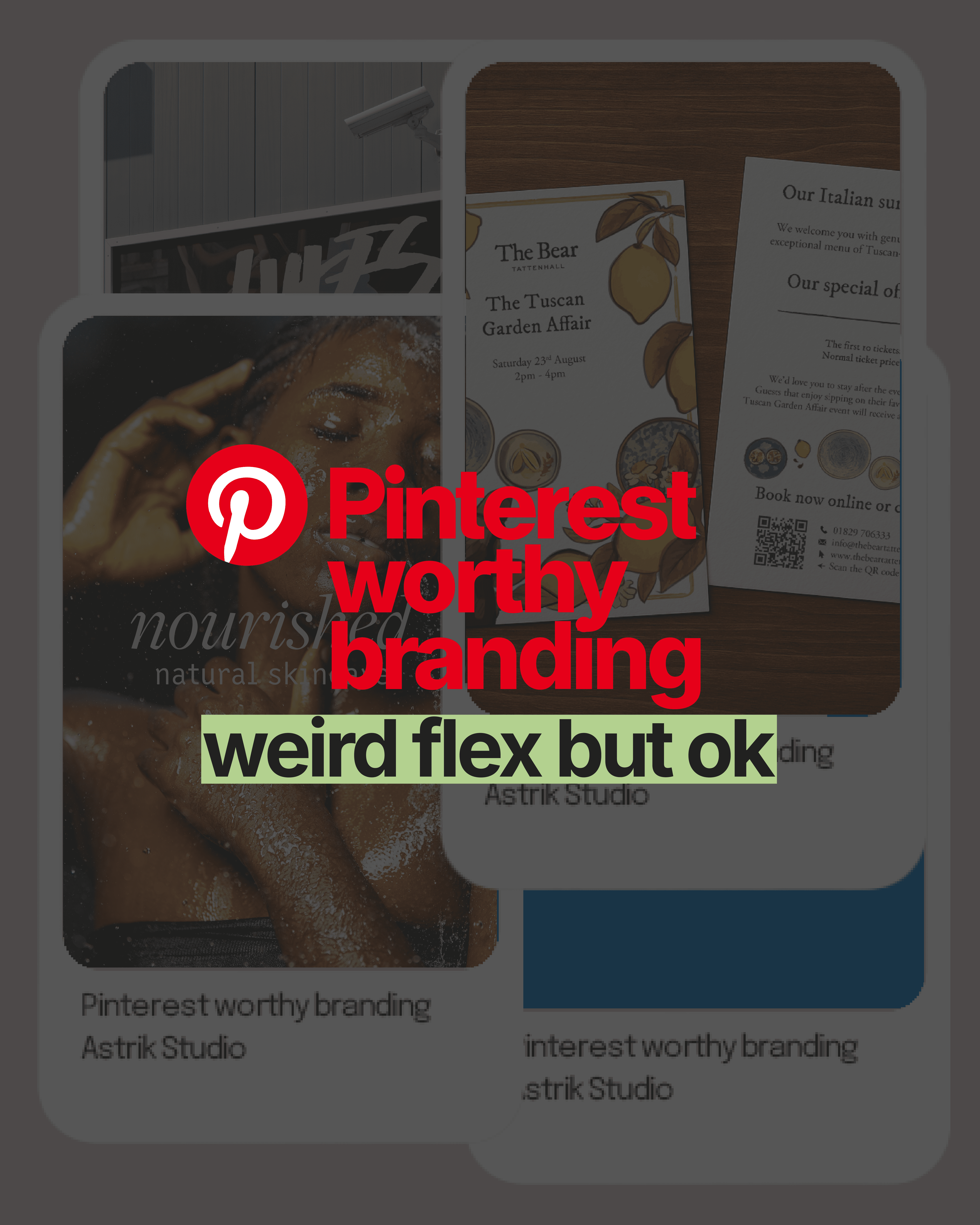
There's a version of Pinterest-worthy branding that gets talked about a lot. It usually involves a neutral colour palette, some carefully arranged flat lays, and a font that looks vaguely like it belongs on a skincare label.
And look, that's fine. But it's not what I'm talking about.
The brands that actually that end up in someone's 'dream brand inspo' folder- Those brands have something different going on. They're not just following an aesthetic. They're communicating something. And they're built to keep communicating it, consistently, across every platform, as the world around them changes.
That's what Pinterest-worthy branding actually means. And it's a lot more interesting than a mood board.
Clean Design Isn't Minimalism For Its Own Sake
My design approach is rooted in minimalism, but not the kind that's just empty space and three colours. It's the kind that strips everything back to what actually needs to be there.
There's a real discipline in that. When you remove the visual overload, every decision left behind has to earn its place. The font isn't just 'nice', it's doing a specific job. The white space it's giving the eye somewhere to rest so the important message is crystal clear. The colour isn't just on trend, it's creating a feeling that connects to what the brand actually is.
This is what I mean by intentional design. Not minimal for the sake of looking minimal. Minimal because clarity is the most powerful thing a brand can have.
And here's why that matters, a visually cluttered brand gets scrolled past. A clean, considered brand identity gets the reaction you want- because it looks like it was made by someone who knew exactly what they were doing, and that communicates trust before a word has even been read.
The intent behind a Pinterest search is almost always: I want this in my life.
They're actively searching, for inspiration, for solutions, for things they want to buy or build or become.
But only if your visual identity is coherent enough to look like the answer. Scroll-stopping brand design on has to do a very specific job in about two seconds: it has to look like it belongs in the world the person searching is trying to build. It has to feel aspirational but achievable. Beautiful but real!
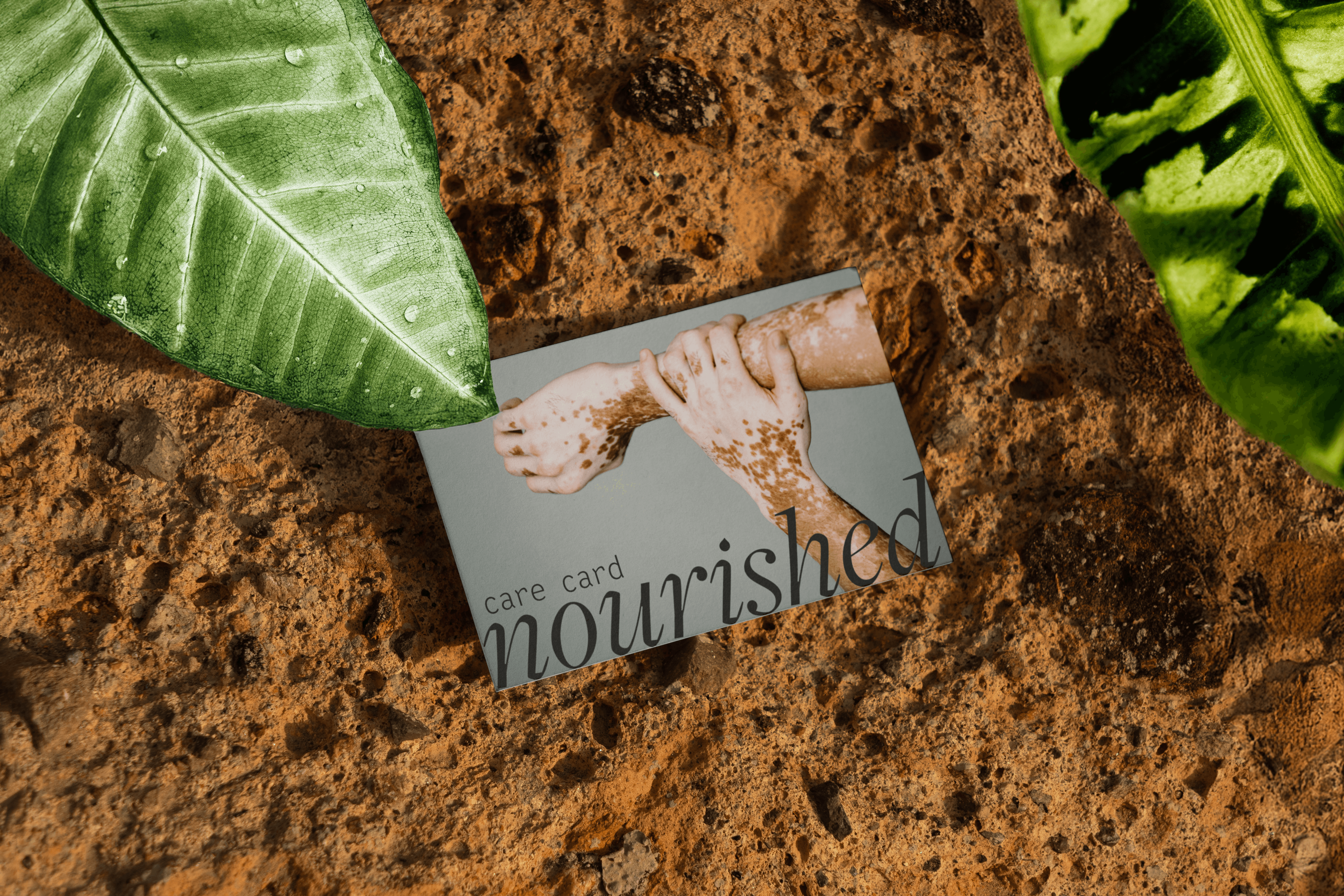
Stop feeling stuck with your brand.
Many treat visual identity like it's something you design once, sign off on, and then apply forever. Brands today in the age of social media and AI. But the brands that stay Pinterest-worthy over time, evolve. Their visual identity is a system, not a single fixed thing. It has a clear foundation: a strong colour palette, a considered type system, a defined aesthetic that's recognisably theirs. But within that, there's flexibility. Room to respond to culture, to seasons, to where their audience is going.
This is what I build at Astrik Studio. Not just a brand that looks good right now, but a cohesive visual identity that has the bones to adapt, so it can grow with the business and stay relevant as design trends and audience expectations and trends shift.
What This Looks Like In Practice
When I work with clients on brand identity, we're always solving for two things at once: how it looks right now, and how it'll hold up.
A minimal, intentional visual foundation that doesn't date quickly
A type and colour system flexible enough to work across every touchpoint, digital, print, packaging, social
Design choices that photograph well, and travel across platforms without losing coherence
Space built into the system for the brand to refresh and respond without losing its identity
The goal is always a brand that's visually consistent without being rigid. One that looks like it belongs on Pinterest today, and still does two years from now even as times change.
Because the brands that get saved aren't just pretty. They're the ones that have been really thought about, by someone who understands both the design and the audience.
My favourite kind of design challenge!
